BPC-157
BPC-157 is a synthetic peptide with limited human data. Under FDA review for compounding (docket FDA-2025-N-6895).
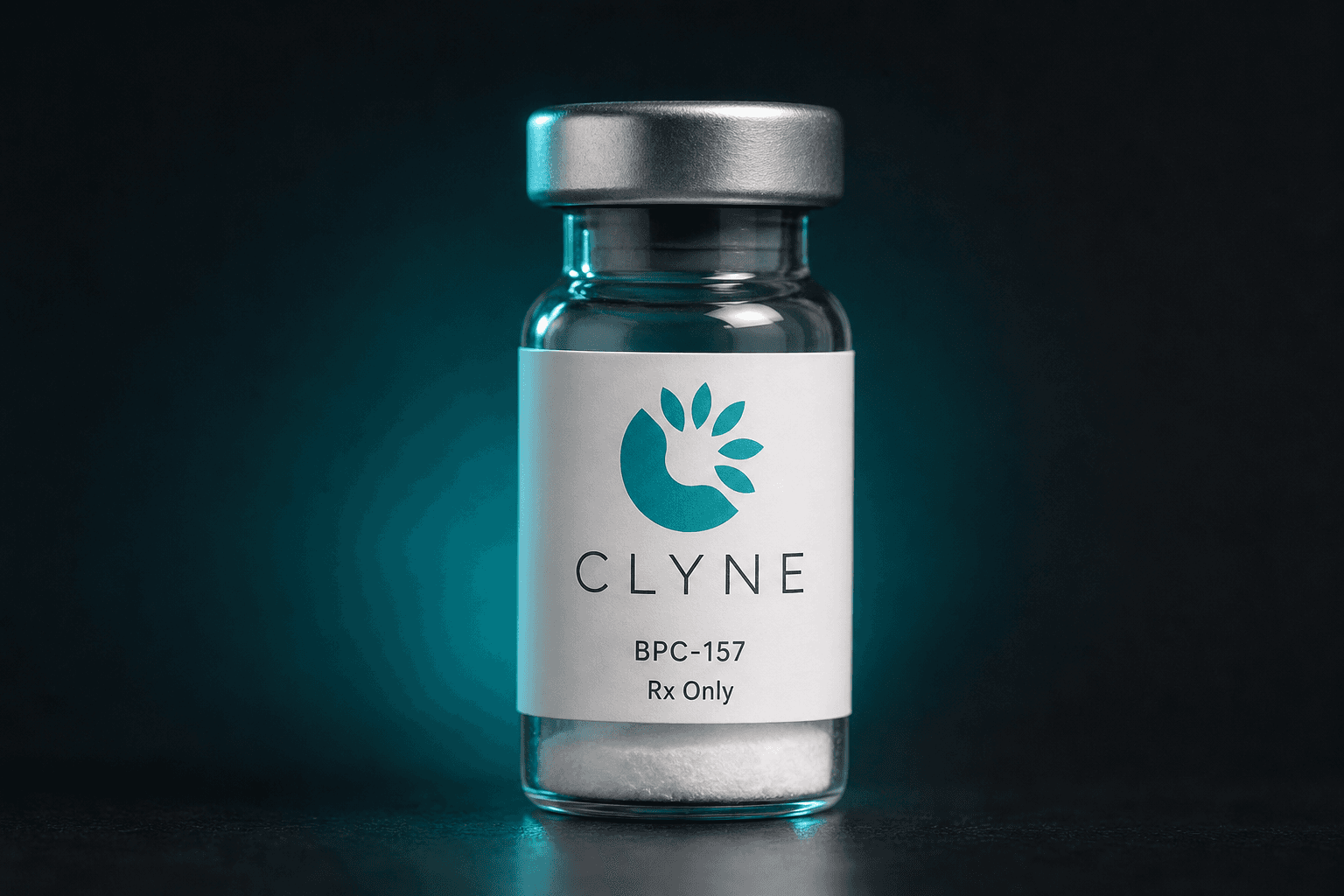
- Routesubcutaneous injection
- Baseline labsNot typically required
- EvidenceLimited human data
- AvailabilityEducation only
How it works
BPC-157 (the initials stand for 'body protection compound') is a synthetic, stable peptide based on a sequence identified within a protein found in human gastric juice. In laboratory and animal studies it has been explored for its apparent effects on tissue-repair processes — including angiogenesis (the formation of new blood vessels) and interactions with growth-factor and nitric-oxide signaling — particularly in tendon, muscle, and gut tissue.
The crucial honesty here: this evidence is overwhelmingly preclinical. The striking results that circulate online come almost entirely from rodent and cell studies. Well-controlled human trials are essentially absent, so anything about how it behaves in people is, at this point, extrapolation rather than established fact.
What it's been studied for
- Soft-tissue, tendon, and muscle repair pathways (almost entirely preclinical)
- Gastrointestinal protection contexts in animal models
- Angiogenesis and growth-factor signaling (laboratory research)
“Studied for” describes what research has examined — not a promise of any outcome for you.
What the evidence says
Human data for this peptide is limited. A licensed provider can discuss what the current evidence does and does not support for you.
What to expect at Clyne®
BPC-157 is currently under FDA review for compounding (docket FDA-2025-N-6895) and is presented here for education. Where it isn't available to prescribe, you can join the waitlist instead of purchasing it.
If and when its status changes, we'll update this profile. Until then, the most useful thing we can offer is a clear-eyed account of what is and isn't known.
Safety & considerations
Because human data is limited, an honest conversation with a provider about what the evidence does and doesn't support is essential before considering it. The gap between the online enthusiasm and the actual human evidence is wide.
Be especially wary of unregulated sources selling BPC-157 vials with no prescription and no oversight — product quality and purity in that market are unverifiable. Education-only here means exactly that.
Regulatory status
This peptide is currently under FDA review for compounding and is not available to prescribe. It is on the FDA's PCAC agenda (docket FDA-2025-N-6895). A regulatory category that permits compounding is not the same as FDA approval.
Common questions
Is BPC-157 available to prescribe?
Not currently — it's under FDA review for compounding. Its availability can change, and each profile is updated as the status evolves.
How strong is the evidence?
The bulk of BPC-157 research is preclinical (animal and lab). Robust human trial data is lacking, so claims about effects in people are not well established, and we say so plainly.
Why is it so popular online if the human data is thin?
Compelling animal results and word-of-mouth drive a lot of interest, but enthusiasm isn't evidence. We try to separate the mechanistic story from what's actually been demonstrated in people.
Join the waitlist
BPC-157 isn't currently available. Add your email and we'll notify you if its status changes — no charge, no commitment.